
What is actually happening to PCB prices in 2026
By mid-2026 the situation is far worse than the early-year forecasts. Standard FR-4 sheets in China climbed from roughly 70 yuan per sheet in July 2025 to about 260 yuan by June 2026 — a rise of more than 270%. Cumulative price increases on standard FR-4 laminates reached about 134% as of July 2026, with prepreg surging even more sharply. Kingboard, the largest CCL maker, issued its 13th price-hike round in July 2026 alone, lifting FR-4 over 1.3mm and prepreg by about 15% each time, on top of a 15% increase in June. This is no longer a forecast — it is a super-cycle in the cost base of every PCB you buy.
The forces driving the cost storm
The cost stack is well understood now. Copper foil accounts for about 42% of laminate cost, and copper prices have exceeded USD 13,300 per ton, with HVLP copper foil adding roughly USD 2/kg and more hike rounds expected. Resin (epoxy) is about 26% of CCL cost and stays inflated; glass fabric is about 19% and also rising. Layered on top, AI server build-out is consuming enormous volumes of high-layer-count laminate — a single AI server can use 10-15x the PCB material of a conventional server. The composite CCL price index, at 153.2 in March 2026, is projected to climb toward 246.8. These forces reinforce each other rather than offset.
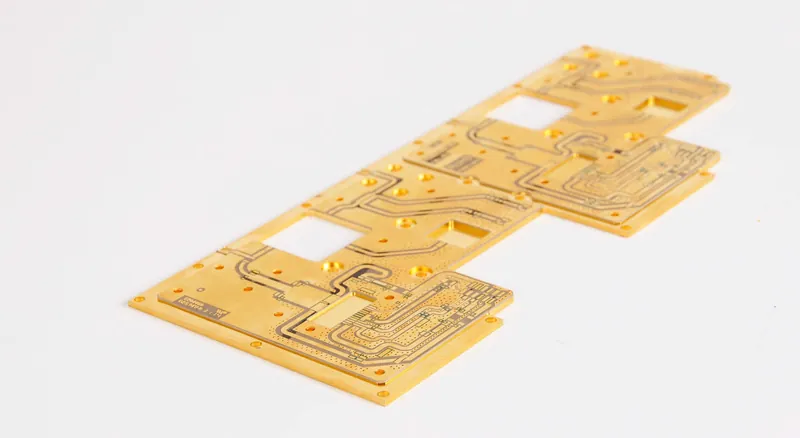
What this means for your next quote
Expect materially higher unit prices and, for some builds, longer lead times as fabricators queue for material. Prices valid 30-60 days ago may no longer hold; JLCPCB and other major fabricators issued substrate price adjustments across FR-4, FPC, aluminum, copper, Rogers and Teflon in mid-2026, and suppliers increasingly quote shorter validity or material-surcharge clauses. The buyers who get hurt are the ones who assume last year pricing still applies and plan their BOM cost around it — then get re-quoted at production and miss their target margin. Treat PCB pricing as actively managed, not annual-lock.
Tactic 1: Lock material where you can, and ask for transparency
Ask your fabricator which laminate grade and thickness your design actually requires, and whether a qualified alternative exists. During shortage, the exact spec you always used may be the one in shortest supply. Some fabricators will share which material brands they can secure and at what lead time if you ask directly. A partner that is transparent about material availability lets you make the cost-versus-availability trade-off yourself, instead of silently absorbing a surcharge.
Tactic 2: Use a China & Vietnam (multi-site) supplier to hedge
When material is tight, geographic diversification helps in two ways. Different factory sites may have different material inventory positions and supplier relationships, so one site may hold price or lead time better than another. And if tariff exposure is part of your cost (US Section 301, EU rules), a supplier qualified in both China and Vietnam lets you shift the production site to the lower-total-cost location without re-qualifying a new vendor. A China-plus-Vietnam partner can also issue a Vietnam Certificate of Origin (Form E), which can reduce landed cost for ASEAN-destined shipments.
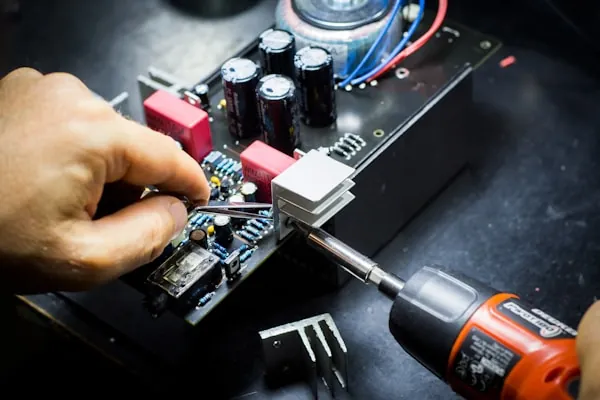
Tactic 3: Design choices that reduce material exposure
Some cost is baked into the design before any quote is requested. Reducing board area (panelization efficiency), avoiding unnecessary layer count, specifying standard thickness and copper weight where the design allows, and choosing a surface finish that does not spike in price (ENIG pulls gold price, for example) all reduce your exposure to the current material volatility. A design-for-manufacturing review with your fabricator before the design freezes is the single highest-ROI move — a small change can unlock material availability and lower cost.
Tactic 4: Watch validity periods and plan the reorder
In a rising market, quote validity shrinks. Confirm how long a quoted price holds, and whether it is contingent on material cost at the time of production. For programs with predictable volume, consider booking material or locking a price for the next batch rather than re-quoting each PO. The administrative cost of a forward commit is small compared to a 15-20% mid-program re-quote.
How Inorsen is helping buyers navigate this cycle
Inorsen manufactures PCBs from both China and Vietnam sites under one quality system, which gives buyers a real hedge when material availability or tariff exposure shifts between the two countries. Because we run our own production (not broker it), we can tell you which material grade is available at which site this week, hold quotes where feasible, and run a DFM check that flags material-driven cost risks before you commit. If your current supplier has re-quoted you mid-program or cannot confirm material lead time, it is worth a second conversation. Send your Gerber and target volume and we will return an honest assessment of price, lead time, and which site best fits the build.